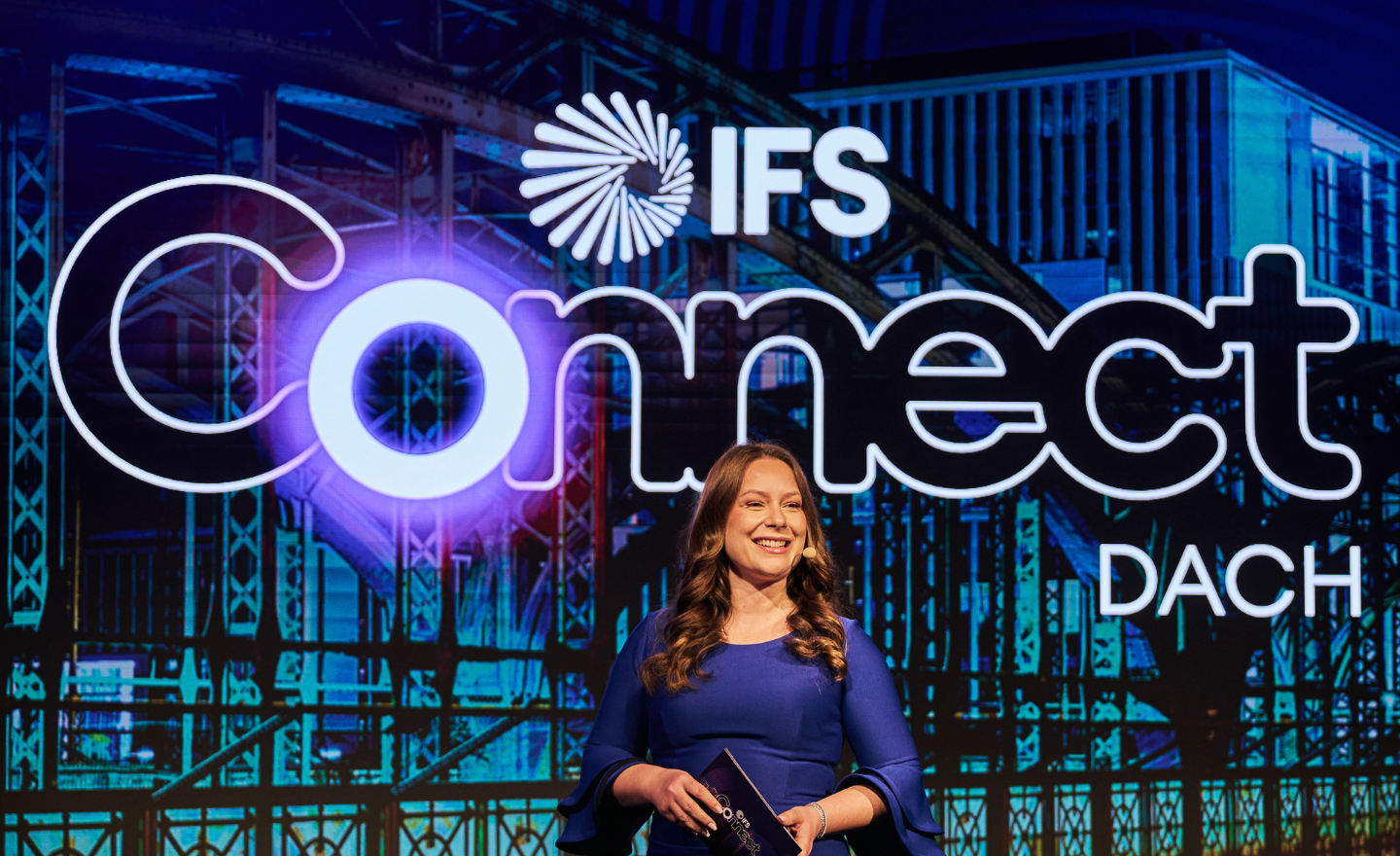
Beyond The Buzzwords: Real-World AI At IFS Connect DACH 2026

IFS Connect DACH 2026 in Munich was more than just a calendar event; it served as a critical launchpad for the future of industrial operations. While the sessions buzzed with the launch of IFS.ai Logistics and the broader vision of Industrial AI across manufacturing and field service, the real value emerged in the spaces between: the face-to-face connections that spark genuine innovation.

However, beneath the excitement of new product launches like the Softeon acquisition – which promises to bolster IFS’s logistics capabilities – a familiar challenge remains for many organizations.

The Agility Gap: Why Business Intent Stalls

In the world of high-stakes ERP management, the primary bottleneck isn’t the software’s capability – it is the technical friction between a business idea and its execution.

Traditionally, if a logistics manager identifies a need for a new mobile workflow or a specific data integration, they face a daunting timeline. Translating that intent into a functional IFS Cloud workflow typically requires deep technical expertise and weeks of development. This complexity acts as the ultimate brake on organizational agility. Organizations find themselves waiting for “coding windows” rather than reacting to market shifts in real-time.

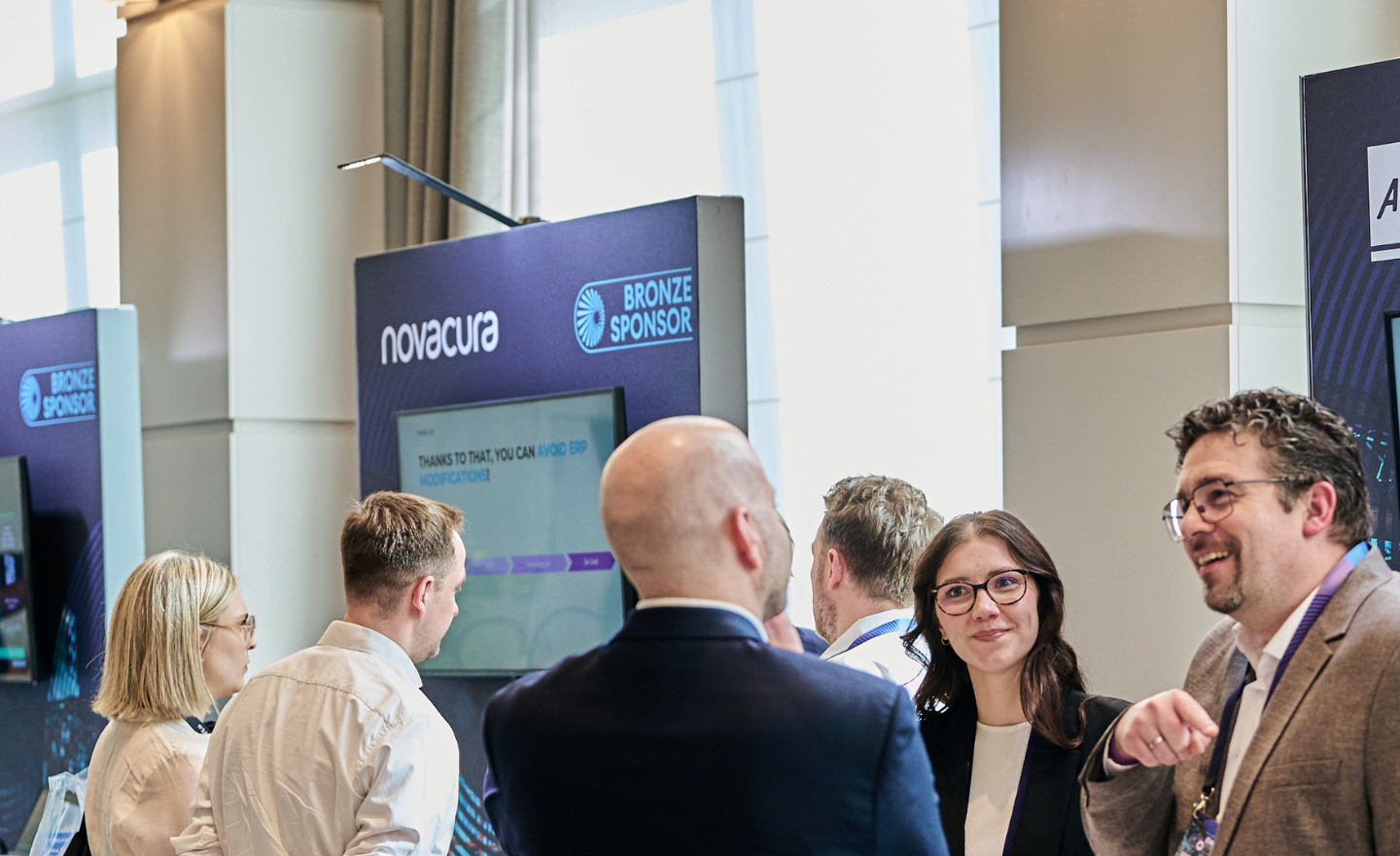
Attendees connecting and exchanging ideas on industrial AI and logistics advancements during WP – IFS Connect DACH 2026 in Munich, with discussions centered on new IFS innovations and the Softeon acquisition.

Introducing The Flow ERP Fusion AI Engine

At our booth in Munich, the Novacura team demonstrated a shift in this paradigm. We are currently entering the final development phase of the Flow ERP Fusion AI Engine, a domain-optimized tool designed specifically to bridge the gap between human intent and the IFS Cloud API.

This isn’t “AI for the sake of AI.” It is a process-optimizing layer designed to eliminate manual “heavy lifting”:

  • Natural Language Interaction: Users describe the required workflow in plain language. The AI understands the business context, not just the syntax.
  • Consultative Intelligence: Much like a human consultant, the engine asks clarifying questions to ensure the generated logic aligns with specific operational needs.
  • Automated Logic Generation: The engine instantly drafts the necessary FlowScripts and OData integrations, slashing the time required for development.

Insights From The Floor: The Changing Ecosystem

The landscape of the IFS ecosystem is shifting. A notable observation from our team in Munich was the absence of traditional middleware giants like Dell Boomi. As these legacy platforms move further from the IFS core, the positioning of Novacura Flow as a dedicated integration and process engine becomes even more vital.

While IFS continues to expand its product footprint – most notably in reporting and logistics – there remain significant gaps in how users can flexibly extend the system without getting stuck in modifications. By keeping the core “clean” and using a low-code layer for innovation, companies can prepare for future upgrades without losing their competitive edge.

From Technical Dependency To Operational Fluidity

The goal of the Flow ERP Fusion AI Engine is simple: ERP Agility without the Bottleneck. By removing the requirement for deep manual coding for every new process, we enable a shift from technical dependency to operational fluidity. You no longer need to wait for a developer to catch up with your business requirements. Instead, you orchestrate flows that match how your people actually work.

The Path Toward Process Autonomy

Munich demonstrated that while the vision for Industrial AI is expanding, the success of these tools depends entirely on how easily they can be integrated into daily operations. As the IFS ecosystem evolves – evidenced by the shift in the middleware market and the strengthening of native logistics capabilities – the priority for IT and Operations managers remains the same: reducing the distance between a business requirement and a live process.

The development of the Flow ERP Fusion AI Engine is not about replacing human expertise, but about providing a more efficient interface for it. By moving away from manual “coding windows” and toward a consultative, intent-based logic generation, organizations can finally treat their ERP as a fluid asset rather than a rigid constraint.

As we move toward the next milestone in Paris, the focus remains on refining these interactions. For those managing complex IFS environments, the shift toward this process-optimizing layer represents a transition from managing technical dependencies to mastering operational outcomes.

Roel Veenman

Business Solution Architect at Novacura